

AsianFin -- Canadian Prime Minister Mark Carney for the first time acknowledges that some of the tariffs imposed by the Trump administration may still here to stay even though Canada can reach a trade deal with the United States.
Credit:China Central Television
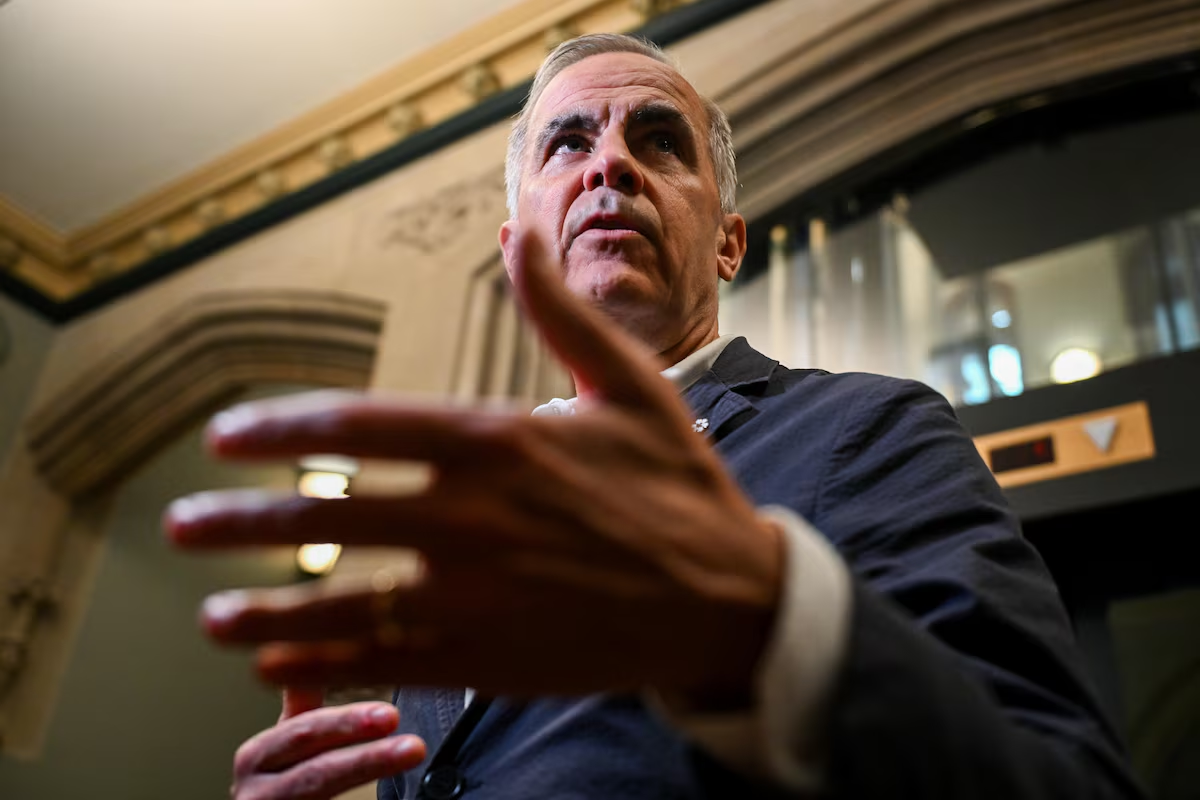
“There is not a lot of evidence right now, with regards to negotiations, of any country or jurisdiction” escaping U.S. tariffs, Carney said in French on Tuesday ahead of a cabinet meeting. The remark was deemed as Carney’s first public acknowledgement that Canada can not escape U.S. tariffs despite a bilateral agreement to resolve the current tariff, namely, the country may have to accept some U.S. tariffs if it wants to make a deal with the North American ally.
Carney didn’t tell on Tuesday if he was willing to accept tariffs in any deal with the U.S. Canadian officials previously had insisted the hope for a nearly duty-free result following a new trade agreement.
“Canada’s objectives are pretty straightforward,” Kirsten Hillman, Canada’s ambassador in Washington and chief negotiator, told CTV News last month. “We negotiated under the [United States-Mexico-Canada Agreement] a 99 percent tariff-free trading relationship with the Americans. That’s the deal that we struck. That’s the deal that we think is fair.”
Trump last week sent a letter threatening higher tariffs on Canada, highlighting his frustration with trade talks with Canada that once halted by him and soon resumed last month over the digital service tax.
Starting August 1, the United States will charge Canada a tariff of 35% of all Canadian imports, separating from all sectoral tariffs, according to screenshots of a letter Trump posted on July 10.
Trump in the letter claimed the new tariffs resulted from Ottawa’s retaliation. “As you will recall, the United States imposed Tariffs on Canada to deal with our Nation’s Fentanyl crisis, which is caused, in part, by Canada’s failure to stop the drugs from pouring our Country. Instead of working with the United States, Canada retaliated with its own tariffs” Trump wrote.
Trump in the letter also described the trade deficit as “a major threat ” to U.S. economy and national security, which was caused by Canada’s tariffs and other trade barriers.
Carney late July 10 said Canada will continue the trade talks with the U.S. towards “the revised deadline of August 1.” Carney said on his social media that throughout the current trade negotiations with the United States, the Canadian government has steadfastly defended the workers and businesses.
Trump’s threatened 35% tariffs on Canada would most likely only apply to those traded outside the U.S.-Mexico-Canada Agreement (USMCA), the Globe and Mail cited a U.S. government official on July 11. And the new tariffs are also not expected to cover oil, gas and potash traded outside the USMCA, which now face 10% tariffs, according to the official.
The Politico the same day learned from a White House official that the Trump administration plans to impose the 35% tariffs only on goods that do not comply with the USMCA, though decision of the ultimate details will be up to Trump. The Canadian government will not double its countertariffs on U.S. steel and aluminum exports on July 21, the previous deadline for the talks, after Ottawa and Washington agreed to extend the deadline to August 1, the Politico reported.
White House trade adviser Peter Navarro on July 11 also floated certain exemptions for good under the USMCA. Navarro in an interview with Bloomberg said the tariffs did not cover goods imported under the agreement, and the 35% rate would be an increase from the current 25% tariff on imports from Canada.
Explore more exclusive insights at nextfin.ai.


