

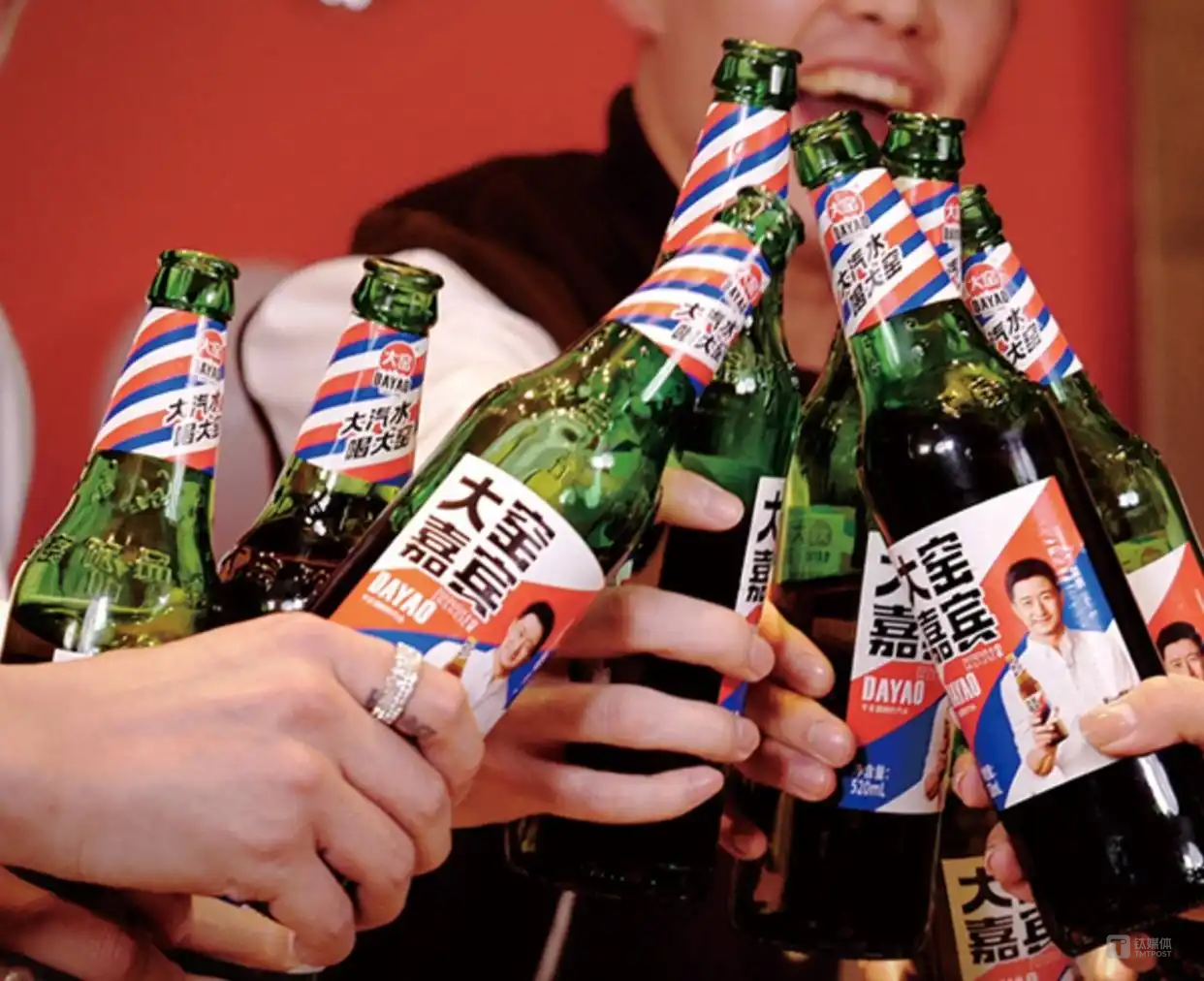
AsianFin -- KKR & Co. has received regulatory approval for its acquisition of a controlling stake in Dayao Soda’s parent company, signaling a rare instance of a major Chinese carbonated drink brand returning to foreign ownership.
The private equity giant, via its special purpose vehicle Dynamo Asia Holdings II Private Limited, acquired 85% of Yuanjing International Ltd., according to the Chongqing market regulator’s list of unconditionally approved mergers for the week ended July 6. The deal was finalized on July 4, regulatory documents show.
Yuanjing International, which controls the Dayao Soda brand, held between 5% and 10% of China’s carbonated drinks market in 2024. The company was previously wholly owned by an unnamed individual, and KKR will now gain sole control.
While neither KKR nor Dayao has officially commented on the deal, people familiar with the matter said the transaction has likely reached preliminary completion.
Founded in Inner Mongolia in the 1980s, Dayao has grown into China’s third-largest sugared soda brand after Coca-Cola and Pepsi. The brand initially focused on the food service channel instead of conventional retail, a strategy that helped it carve out a profitable niche despite limited marketing budgets and a late nationwide push.
From January to May 2025, Dayao’s offline retail sales grew 4.35% year-on-year, while its offline market share in carbonated drinks rose to 2.64%, up 11.15% from a year earlier, according to MaShangYing data. During the same period, Coca-Cola held 60.46% of the market and Pepsi 29.59%.
More than 85% of Dayao’s revenue now comes from restaurants, where its high margins and pricing flexibility make it a favorite among food service operators. According to data released in 2023, nearly 80% of Dayao’s customers consume the product in restaurants—a share higher than that of Coca-Cola.
The brand has since expanded to over 31 provinces in China and started exporting to markets including Russia, Mongolia, Southeast Asia, Japan and South Korea. It operates seven manufacturing hubs across China, with its largest facility in Shaanxi attracting 1.26 billion yuan ($173 million) in investment.
While Dayao has become a formidable regional player, its next phase of growth will likely require deeper capital support. The company has been diversifying beyond carbonated drinks into fruit juices, plant-based protein beverages, energy drinks and tea, while also launching sugar-free offerings to cater to China’s growing health-conscious middle class.
Bloomberg reported in January that Dayao was weighing a potential Hong Kong IPO to raise up to $500 million in the second half of 2025. Though the company denied any near-term listing plans, it has signaled a willingness to engage with capital markets.
Dayao previously denied rumors of acquisition talks with Coca-Cola and Vv Group, emphasizing its status as an independent Chinese private company. The KKR deal marks a strategic pivot, and could indicate a shift in how the company plans to scale operations amid an increasingly competitive and health-oriented beverage landscape.
KKR’s acquisition of Dayao fits into a broader strategy the New York-based firm has been deploying in China’s consumer and services sectors. Since entering the country in 2006, the firm has invested more than $8 billion in Chinese companies across 15 controlling-stake deals, totaling over $12 billion in value.
The firm’s China portfolio includes names such as ByteDance, Qingdao Haier, Adopt a Cow, and contact lens brand Moody. In the food and beverage sector, it has invested in Mengniu Dairy, Modern Dairy and COFCO Meat, with a particular focus on supply chain optimization and margin expansion.
KKR partner Sun Zheng previously told local media that since 2018, the firm has shifted away from passive, minority equity investments to active control deals in China. “We acquire relatively complex companies... help them streamline operations, and transform them into outstanding enterprises,” he said.
That playbook may soon apply to Dayao, which has grown rapidly but still faces structural limitations, including its reliance on traditional sugar-sweetened soda and the fragmented nature of China’s beverage distribution network.
While Dayao’s expansion has been impressive, it arrives at a time when sugar-laden beverages are falling out of favor among China’s younger, more health-conscious consumers. NielsenIQ data show the offline carbonated beverage market is contracting as of early 2025.
To combat the trend, Dayao is actively refreshing its image through collaborations with Gen Z-friendly IPs, marketing campaigns, and sugar-free product lines. The company has also built a distribution network of over 1,000 teams and one million retail endpoints.
Whether KKR’s operational expertise and global capital can elevate Dayao from a national challenger to a global brand remains to be seen—but the acquisition marks a rare test case of Western private equity reshaping a traditional Chinese FMCG player from the inside out.
Explore more exclusive insights at nextfin.ai.


