

AsianFin -- Shares of Google parent Alphabet Inc. surged 9.1% and closed at their new record on Wednesday after after a federal judge issued a ruling deemed by investors as light penalties against the online search titan.
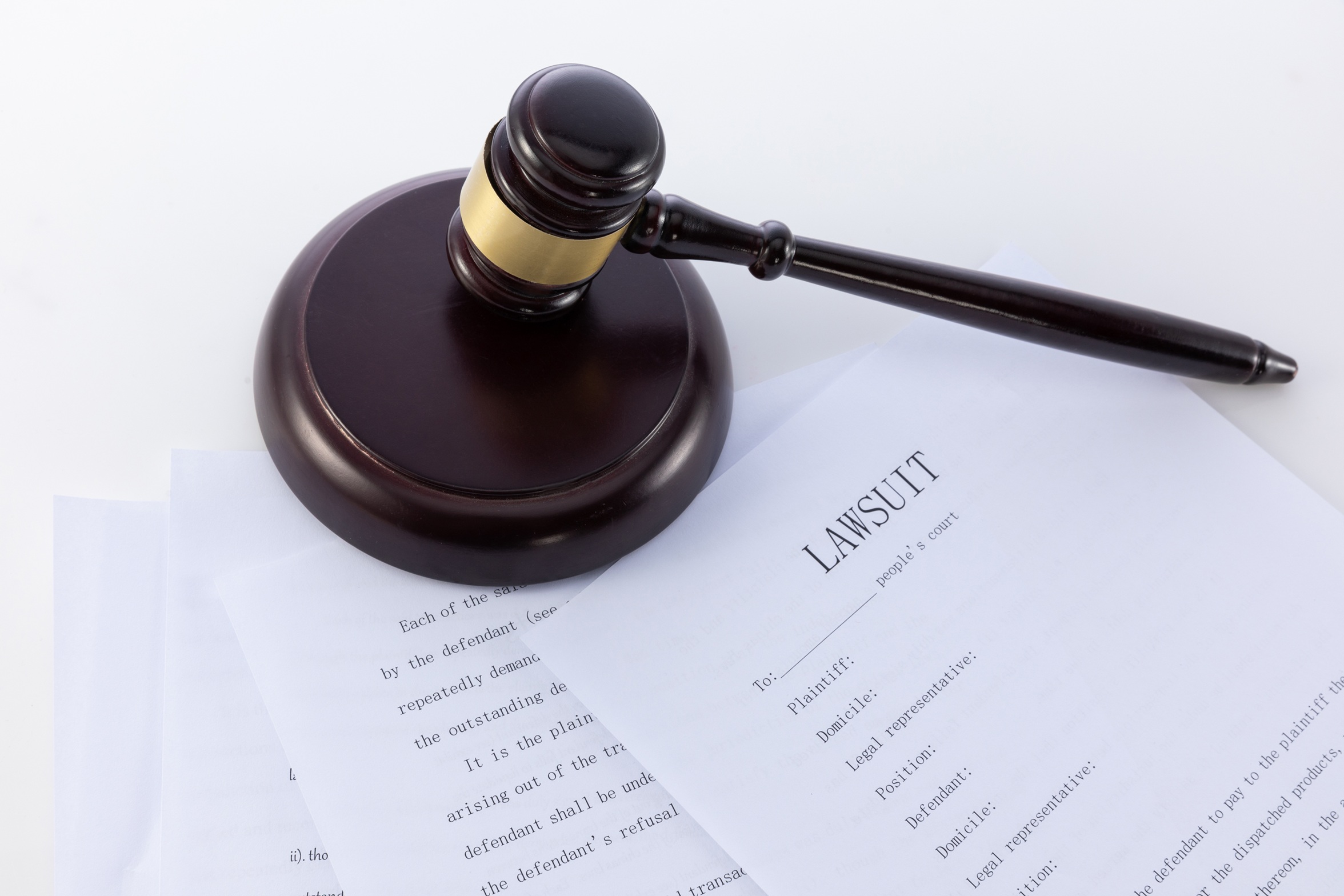
Credit:Freepik
U.S. District Judge Amit Mehta in his rulings on Tuesday said Google would not have to sell its Chrome web browser, rejecting the government’s most-stringent demand including a forced spinoff of Chrome and the Android operating system. The judge said he wouldn’t force sweeping changes at Google because the market had changed significantly since the Justice Department sued in 2020.
Mehta credited emerging competitors backed by artificial intelligence (AI) technology such as OpenAI and Perplexity, which posed growing threat to Google’s search business and “changed the course of this case.”
“No witness at the liability trial testified that GenAI [generative AI] products posed a near-term threat to GSEs [government-sponsored enterprises]. The very first witness at the remedies hearing, by contrast, placed GenAI front and center as a nascent competitive threat,” Mehta wrote in the ruling.
According to the ruling, Google has to share some of its search data and barred the company from striking deals that exclude Google’s search-engine rivals on devices and browsers. It must make search index data and user interaction data available to qualified competitors, which rival companies can utilize to further enhance their services. And this should be offered by the company for up to the next five years.
Mehta didn’t bar Google from paying Apple Inc. to make Google the default search provider on its devices. But Google will be prohibited by the judge from entering exclusive contracts that relate to distribution of Google Search, Chrome, Google Assistant, and the Gemini app, a generative AI assistant.
The ruling on Tuesday was an outcome of a landmark case from the U.S. government, filed in 2020. The Department of Justice and a bipartisan group of attorneys general from 38 states and territories alleged that Google has kept its share of the general search market by creating strong barriers to entry and a feedback loop that sustained its dominance.
Judged Mehta in August 2024 ruled that Google has illegally held a monopoly in search and text advertising, marking the first anti-monopoly decision against a tech company in decades.In the ruling, Google’s exclusive search arrangements on Android and Apple’s iPhone and iPad devices helped to cement Google’s anticompetitive behavior and dominance over the search markets.
The Department of Justice said on Teusday that the latest ruling recognizes the need for remedies that will pry open the market for general search services. “The ruling also recognizes the need to prevent Google from using the same anticompetitive tactics for its GenAI products as it used to monopolize the search market, and the remedies will reach GenAI technologies and companies,” the department noted.
Wall Street analysts saw Tuesday’s ruling as broadly favorable for Alphabet. Following announcement of the ruling, “we are increasingly constructive in the longer-term durability of Google’s Search business and are raising our estimates accordingly,” Daniel Ives, global head of technology research at Wedbush Securities, said in a note on Tuesday.
Ives now has a new price target of $245 for Alphabet’s stock, suggesting a nearly 15.6% rally from Tuesday’s close. He described the ruling as “a monster win” for Google and Apple that “removes a huge overhang on the stock.”
Explore more exclusive insights at nextfin.ai.


