

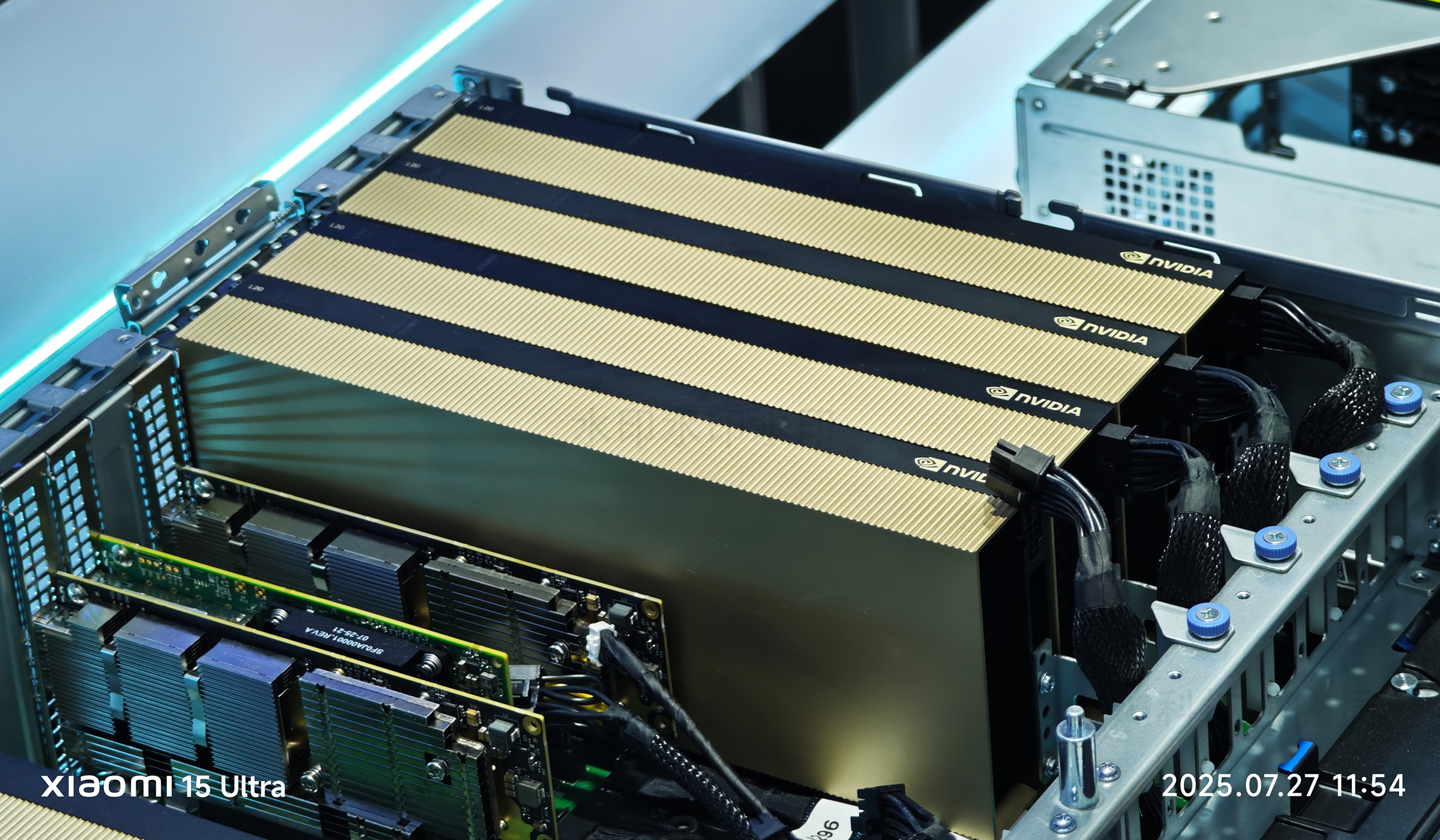
(Photo taken at the 2025 World Artificial Intelligence Conference)
AsianFin -- French artificial intelligence startup Mistral AI has raised €1.7 billion ($2 billion) in a Series C funding round led by Dutch chip equipment giant ASML, the companies announced on Tuesday, confirming a report by Reuters on Sunday.
ASML is investing €1.3 billion in the round, making it Mistral AI’s largest shareholder with an approximate 11% stake. The round values Mistral at €11.7 billion post-money, establishing it as Europe’s most valuable AI company.
The investment strengthens ASML’s position as a key backer of Mistral AI, a startup regarded as one of Europe’s most promising challengers to U.S. AI leaders including OpenAI, Meta, and Alphabet’s Google.
In addition to ASML, other participants in the fundraising include DST Global, Andreessen Horowitz, Bpifrance, General Catalyst, Index Ventures, Lightspeed, and NVIDIA, Mistral said in a statement.
ASML will collaborate with Mistral to integrate AI models across its semiconductor equipment portfolio and will gain a seat on Mistral’s strategic committee through its CFO, Roger Dassen.
Europe's Rising AI Star
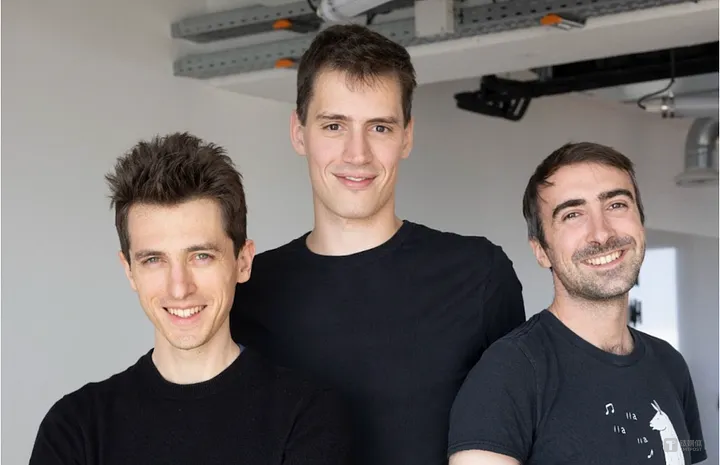
The three co-founders of Mistral AI
Founded in April 2023 by three Post-90s entrepreneurs—Arthur Mensch, Timothee Lacroix, and Guillaume Lample—Mistral AI has quickly emerged as Europe’s leading AI unicorn. The founders met at Paris’ École Polytechnique and named the company after a strong French wind, signaling their ambition to make a transformative impact in AI.
Mistral AI focuses on open-source AI models, offering solutions for speech, programming, and multimodal capabilities across cloud and edge devices. Its 8B edge AI models are particularly competitive for their size. In February 2025, the company launched the chatbot Le Chat, which topped the French iOS App Store’s free download charts within two weeks of release.
The company’s AI models—Nemo, Small, and Large—are applied in customer support, text generation, data extraction, document summarization, email composition, code generation, RAG, and AI agent applications. In April, Mistral partnered with French shipping giant CMA CGM in a €100 million five-year strategic AI deal, integrating Mistral AI into logistics and customer service operations.
Mistral AI has completed four funding rounds to date, raising over $1.1 billion with participation from investors such as Eric Schmidt, Databricks, NVIDIA, Microsoft, Salesforce, and a16z. Notably, ASML’s involvement may allow the company to leverage Mistral’s AI models to enhance lithography tools used in chip manufacturing, particularly its EUV systems critical for TSMC and Intel.
The startup is also building a 40MW data center near Paris powered by 18,000 NVIDIA AI chips. While revenue remains modest—estimated in the tens of millions of euros for 2024—Mensch reports that it has doubled since early 2025.
Computing Power: Key to AI Development
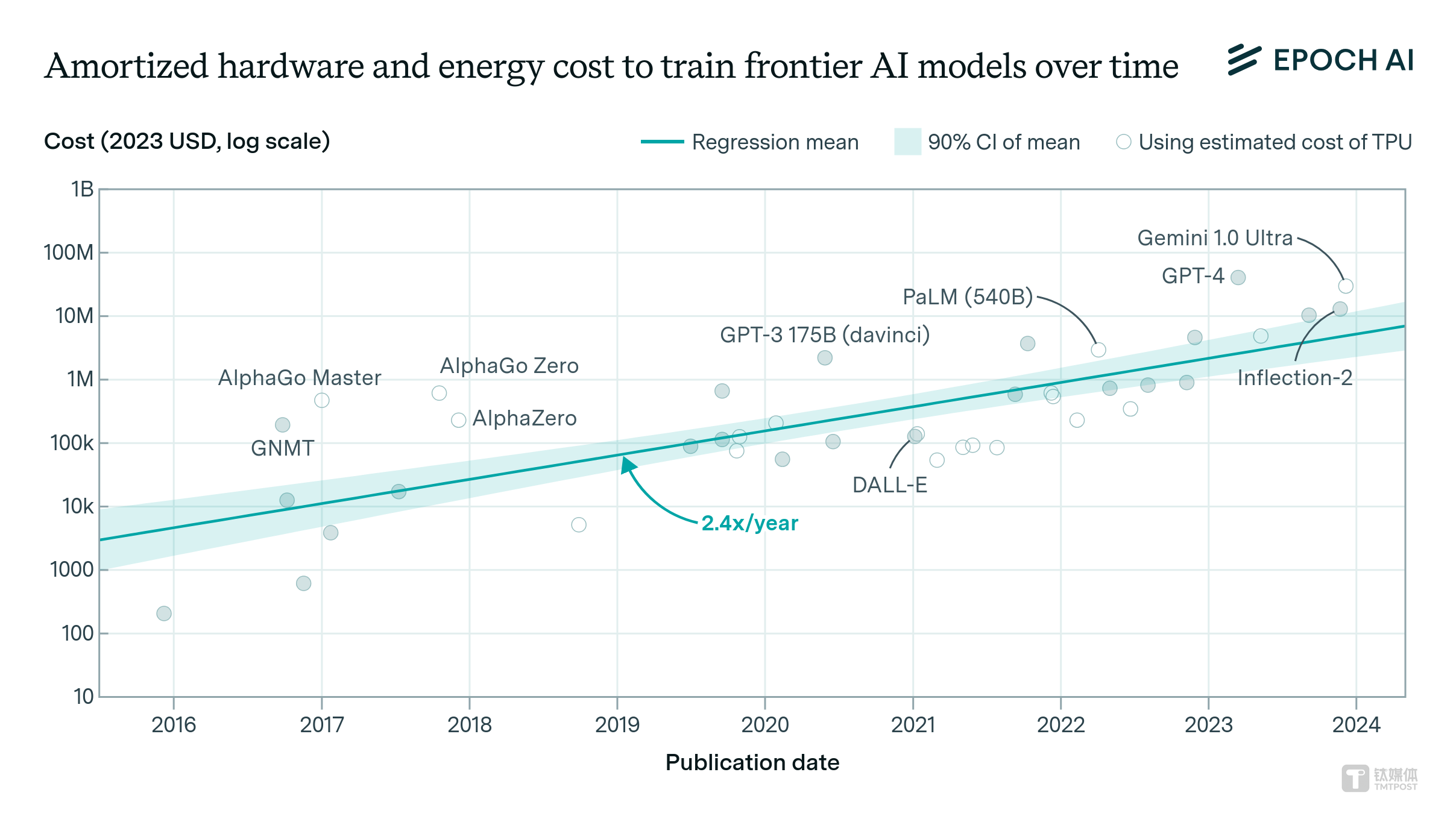
High-end AI model training requires enormous computing resources. Training costs for state-of-the-art models have risen 2–3 times annually over the past eight years, and by 2027, the cost for the largest models is expected to exceed $1 billion. Hardware accounts for 47–67% of total development costs, with R&D personnel making up 29–49%, and energy costs contributing 2–6%.
Supercomputers for AI double in performance roughly every nine months, demanding billions of dollars in investment and energy comparable to a medium-sized city. The U.S. holds 75% of global compute power, with China at 15%, highlighting the critical gap between the two nations in AI infrastructure.
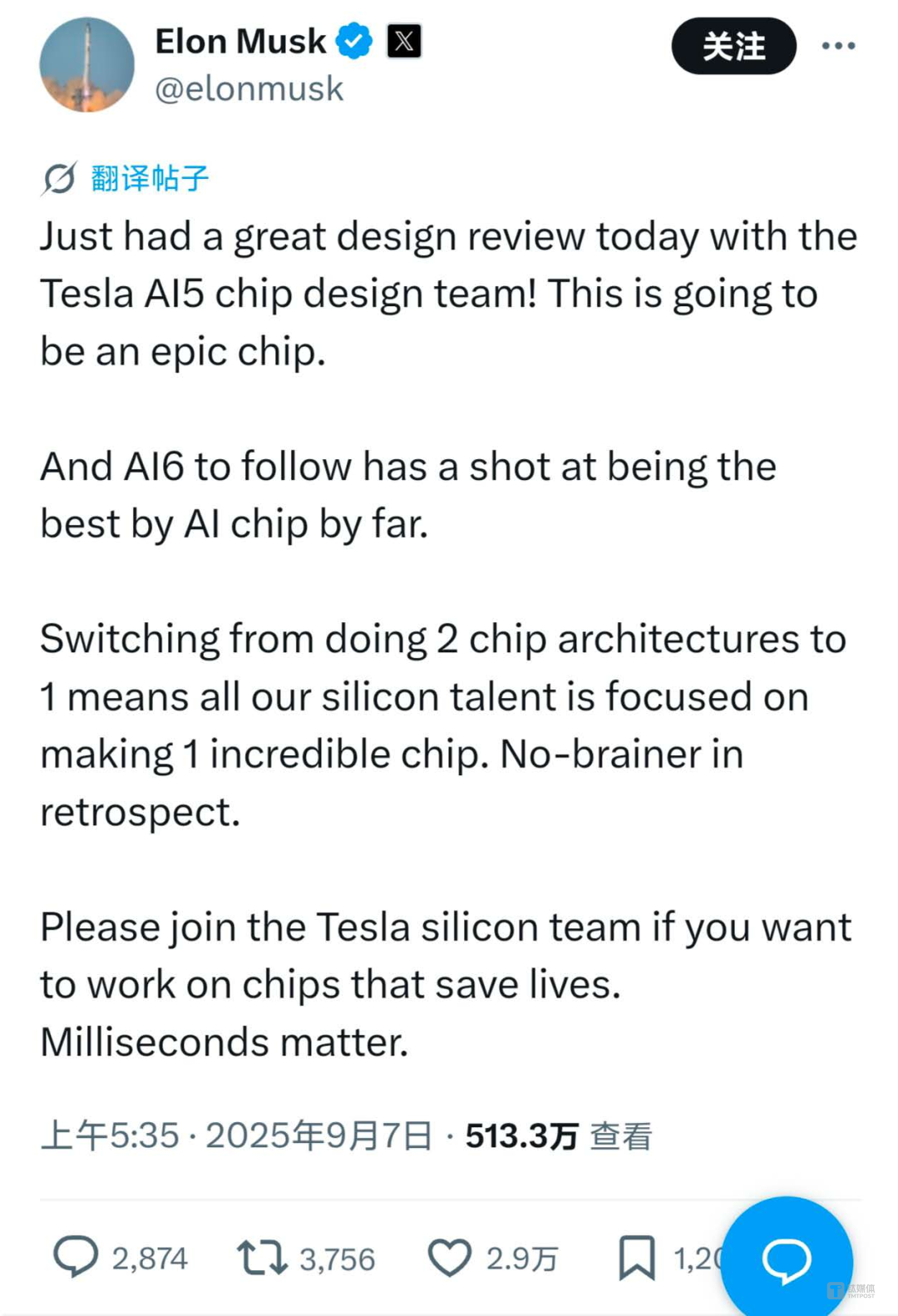
Elon Musk recently announced that Tesla’s AI5 chip achieved industry-leading inference performance and efficiency, with AI6 slated for further improvements. Tesla, previously building its own Dojo supercomputer, has shifted to leveraging external suppliers such as NVIDIA, AMD, and Samsung for AI hardware. AI5 production will begin at TSMC in 2026–2027, while AI6 is expected from Samsung’s 2nm process in late 2025, potentially boosting Samsung’s foundry business.
Similarly, OpenAI is partnering with Broadcom to develop proprietary AI chips for mass production next year, aiming to reduce reliance on NVIDIA. Broadcom has secured a $10 billion order from this undisclosed client, reportedly OpenAI.
China’s cloud providers—Alibaba Cloud, ByteDance Volcano Engine, Tencent Cloud, and Baidu Intelligent Cloud—spent $45 billion on AI computing infrastructure in the past year, only 15% of U.S. counterparts’ $291 billion.
Nvidia forecasts that global AI computing infrastructure spending will reach $3–4 trillion by 2030, with annual growth above 50%. By then, training cutting-edge AI models may require nearly 20 million H100-class GPUs, demanding global capacity of 100 million GPUs, far exceeding current production.
Explore more exclusive insights at nextfin.ai.


