

AsianFin -- A number of Chinese electric vehicle (EV) makers, including the newcomer Xiaomi Inc., set their monthly delivery records as they are bracing peak season.
Credit:Xiaomi
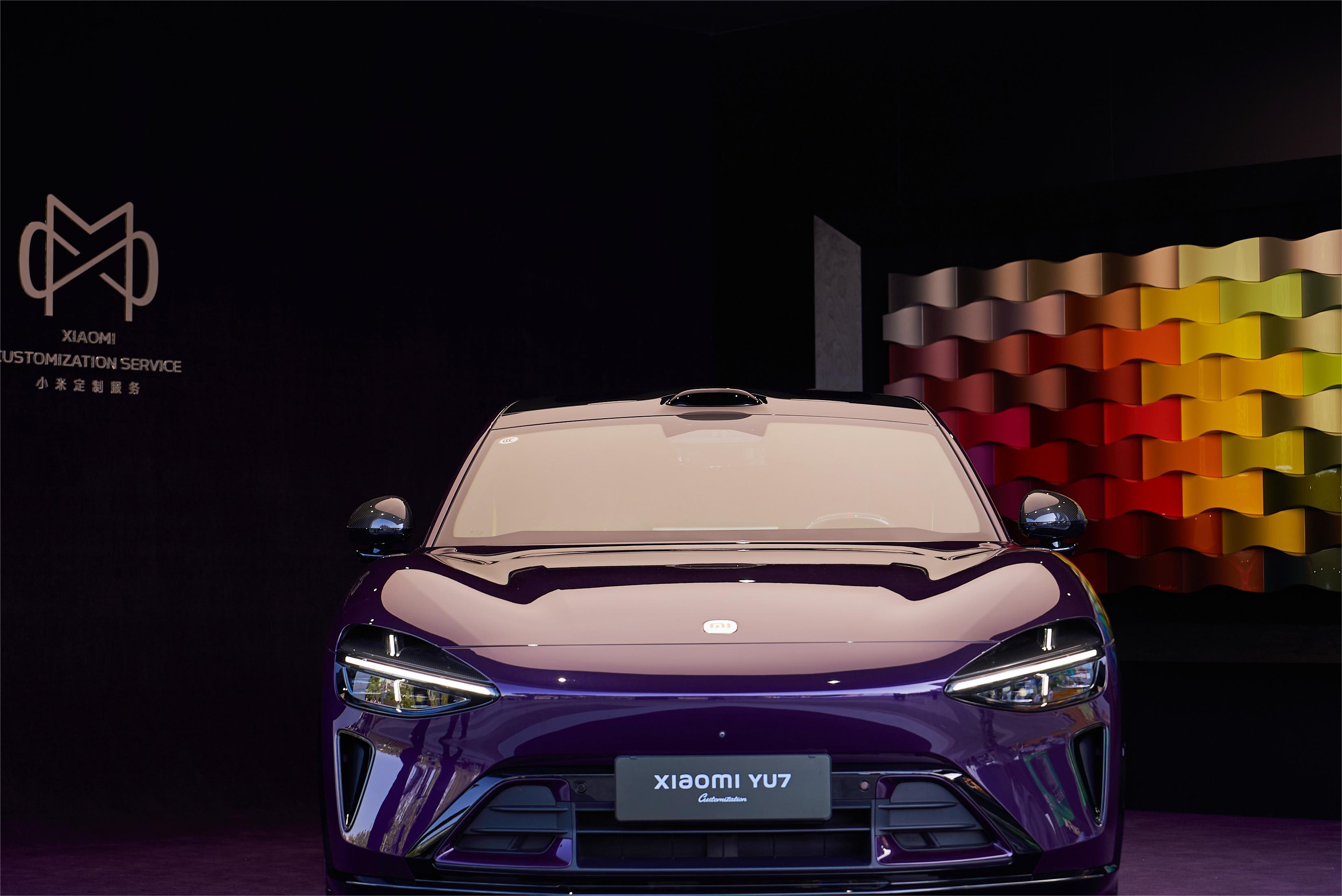
Xiaomi Auto announced it has shipped more than 40,000 vehicles in September, representing a 195% year-over-year (YoY) surge and a 9.9% consequential increase. That is the first time for Xiaomi’s EV unit to top the 40,000-unit mark and its delivery volume two months earlier just crossed the 30,000-EV delivery mark.
Xiaomi has delivered over 300,000 cars since it started shipping its first EV model SU7 in April 2024. For the second quarter alone, the delivery rose 197.7% YoY to 81,302 units. With the pace, the company is well on the track to meet its upgraded annual target of 350,000 units ahead of schedule. Xiaomi on March 18 revealed it has lifted annual target to 350,000 vehicles. That marked an increase of 16.7%, or 50,000 units, from its previous target.
Xiaomi’s domestic peers also recorded robust delivery growth in September.
Zhejiang Leapmotor Technologies Ltd., maintained its leadership in the emerging home-grown Chinese EV startup by delivery volume for the seventh consecutive month. Leapmotor’s delivery popped 97% YoY to 66,657 cars, first shipping over 60,000 EVs in a month. The Stellantis NV's Chinese partner last week announced it produced its millionth vehicle on September 25, just 343 days after hitting the 500,000 mark. That broke a record pace among China’s new energy vehilce (NEV) brands.
Xpeng Inc. delivered 41,581 Smart EVs, marking a 95% YoY increase. The monthly delivery for the first time exceeded the 40,000-unit milestone after surpassing 30,000 units for the tenth consecutive month. For the third quarter of 2025, Xpeng delivered 116,007 EVs with a 149% YoY rise. Cumulative deliveries for the first nine months of the year reached 313,196 units, representing a 218% YoY increase.
September saw the 10,000 the new Xpeng P7 officially rolled off the production line, making the sedan the fastest model in the automaker’s lineup to achieve 40 jobs per hour (JPH) on a new production line.
Nio Inc. delivery in September advanced 64.1% YoY to 34,749 vehicles, refreshing its monthly record. The deliveries consisted of 13,728 vehicles from the company’s premium smart electric vehicle brand Nio, 15,246 vehicles from its family-oriented smart EV brand ONVO, and 5,755 vehicles from its small smart high-end brand Firefly. The company delivered 87,071 vehicles for the thrid quarter, hitting a new quarterly high with a YoY increase of 40.8%.
Li Auto said it delivered 33,951 vehicles in September with a 19% increase from a month ago. The deliveries dropped 37% YoY and below a Deutsche Bank target of 35,000. Delivery for the third quarter shed 39% YoY to 93,211 units. But the new launch is expected to boost sales in the coming months. The company officially launched Li i6, a five-seat battery electric SUV, on September 26, and commenced deliveries on the following day.
China’s top EV maker BYD Co. Ltd in September sold 396,270 NEVs, including electric and plug-in hybrid vehicles. The sales gained 6.1% month-over-month and fell 5.5% YoY increase a month earlier, still beating the Deutsche Bank estimated 380,000 units.
In homeland, BYD sold around 325,400 vehicles with a 15.8% YoY decrease, reflecting the difficluty in maintaining the high-speed growth momentum amid the intense competiton and the cooling price war. But the company’s global expansion paid off and served as a key driver of total sales. Its sales overseas reached 71,256 units, and out of which were 70,851 passenger vehicles and pickup trucks, surging 107% YoY.
Explore more exclusive insights at nextfin.ai.


