

AsianFin -- U.S. President Donald Trump on Monday said his government is working on tariff cuts on Switzerland as signs showed the country would be offered relief from one of the highest U.S. tariff rates in the world.
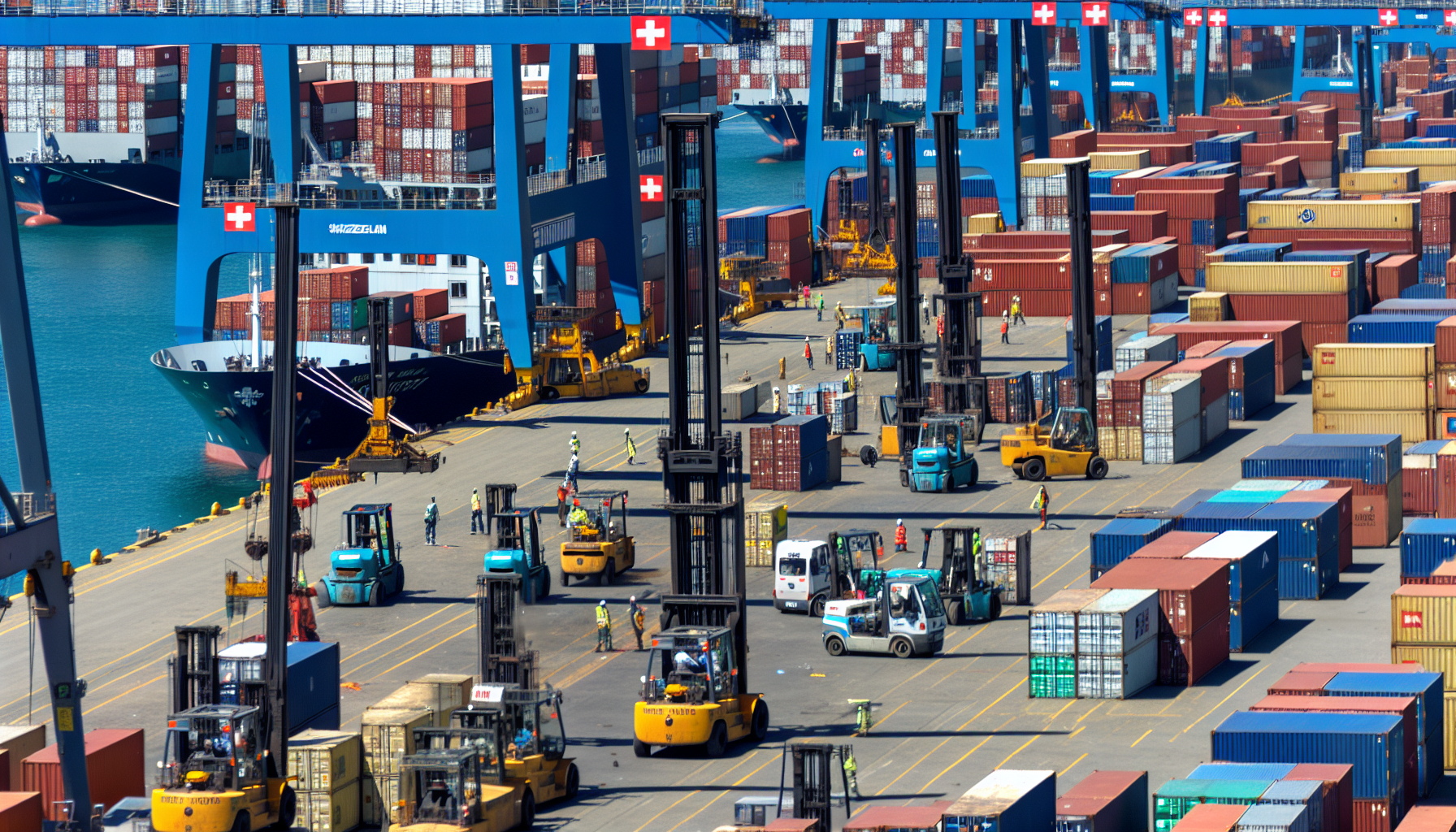
AI Generated Image
Trump told reporters Monday in the Oval Office that the White House is working on a deal to get Switzerland tariffs “a little bit lower.” "I haven't said any number, but we're going to be working on something to help Switzerland along," he said when asked about a 15% tariff rate. "We hit Switzerland very hard. We want Switzerland to remain successful."
Trump made the remarks as a report earlier Monday signaled the U.S. could strike a deal in weeks that will ease tariffs on Switzerland. Switzerland is nearing a deal that would reduce U.S. tariffs on its exports from 39% to 15%, Bloomberg cited people familiar with the matter.
An agreement could be finalized within the coming two weeks, though sources warned that negotiations remain ongoing and could still collapse, similar to talks that broke down in late July. It was said that momentum for a new deal increased last week after a group of Swiss billionaires and corporate executives met with Trump at the White House. Following what sources described as a successful meeting, Trump directed U.S. Trade Representative Jamieson Greer to accelerate direct negotiations with Swiss counterparts, which took place on Friday.
Trump on July 31 signed an executive order to modify reciprocal tariffs on dozens of countries, with the tariff rates ranging from 10% to 41%. Switzerland became one of big loser as Trump lifted the 31% reciprocal tariff rate threatened in early April to 39%, with exceptions on gold.
The 39% tariffs, the highest tariff rate applied to any developed nation, entered effect on August 7. Switzerland has been working to secure better terms since then. The U.S. tariffs place "a substantial strain" on Switzerland's export-oriented economy, the Swiss government said on the effective date, vowing to continue negotiations with the U.S. to reduce the tariffs.
Nearly 60% of Swiss exports to the U.S. are subject to the new tariffs, which are "particularly steep" compared with other U.S. trading partners such as the European Union and Britain, the Federal Council said in a statement on August 7, adding that it is not considering tariff countermeasures for fear of "additional costs on the economy."
According to Swiss customs data, the U.S. has been Switzerland's biggest export market since 2021, with Swiss exports to the United States accounted for 18.6 percent of the country's total exports in 2024. The U.S. also stood as the top market for major Swiss industries including chemicals and pharmaceuticals, watchmaking and precision instruments in 2024.
The new tariffs have triggered backlash and concerns across the country. Zurich-based Swissmem, an association for Switzerland's mechanical and electrical engineering (MEM) industries, said on Thursday that the "horror scenario" has become a reality, calling for urgent measures from the government. It noted that if the tariffs remain in place, Swiss tech exports to the U.S. will be brought to a standstill. In an earlier statement, it also said the tariffs will hit the economy hard and endanger tens of thousands of jobs in the country.
Other industry organizations have slammed the U.S. tariffs as "dangerous" and "unjustified." Economiesuisse, an umbrella organization for the Swiss business sector, said that there is "neither justification nor any understandable reason" why Switzerland should be subject to one of the highest tariff rates in the world. The tariffs represent a "very serious burden" for Swiss export businesses, it noted.
The Swiss government has earlier expressed "great regret" that the U.S. intends to impose unilateral additional tariffs despite the progress made in bilateral talks.It noted that the tariff rate announced by Trump differs "significantly" from the draft joint statement approved by the Swiss authorities on July 4 following talks over the past months.
Explore more exclusive insights at nextfin.ai.


