

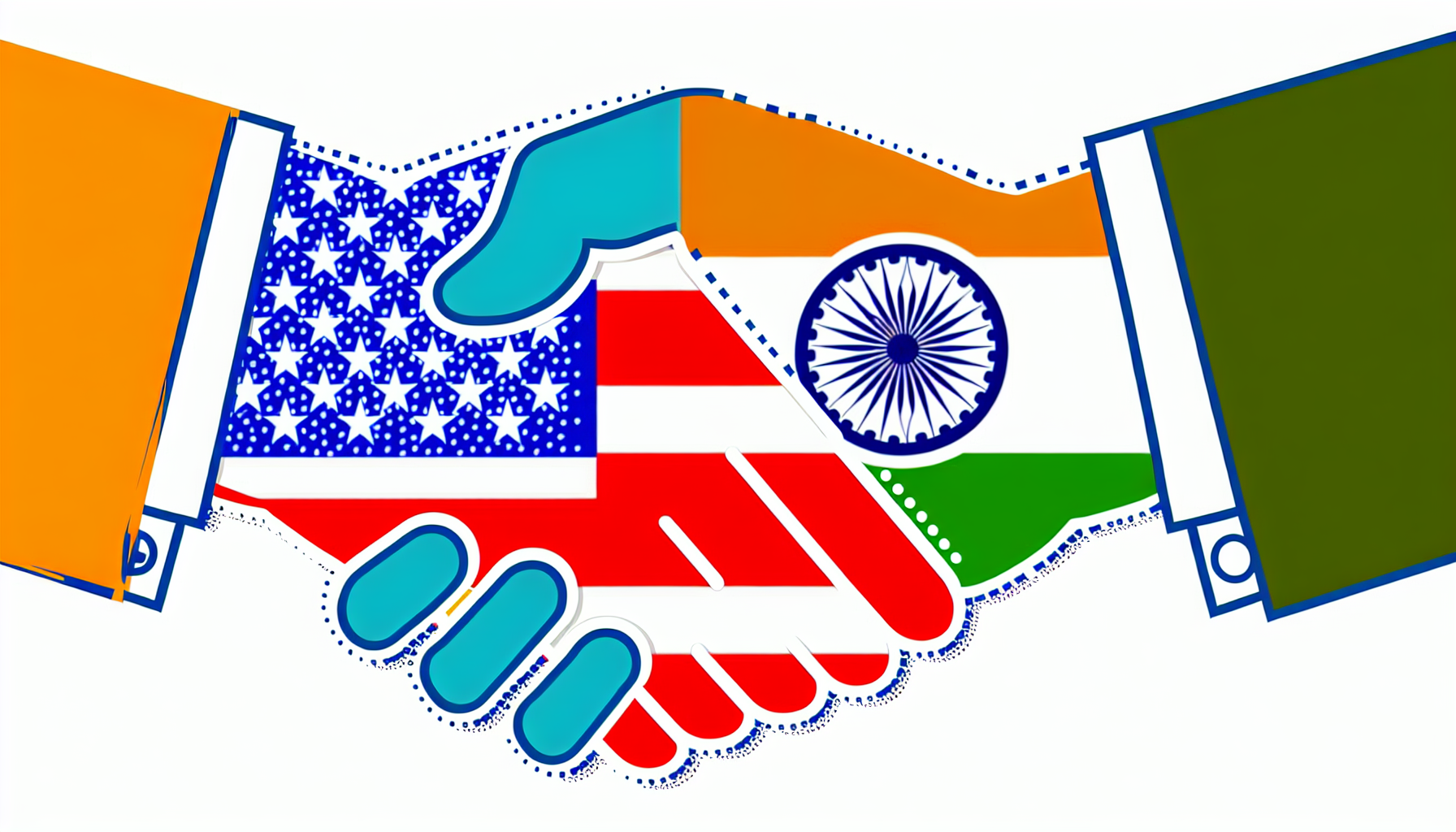
AsianFin -- India is optimistic about finalizing a framework trade agreement with the U.S. by December to reduce the 50% tariffs currently imposed on its exports, a senior official said, signaling progress in negotiations that have dragged on for months following Washington's levy increase earlier this year.
AI Generated Image
India's Commerce Secretary Rajesh Agrawal said at a FICCI industry event in New Delhi on Friday that both sides are "very close" to reaching a deal, with most issues now resolved. The framework agreement would specifically address reciprocal tariffs before feeding into broader bilateral trade negotiations, which will take more time to complete.
The statement marks the most concrete timeline yet for resolving trade tensions that escalated when U.S. President Donald Trump imposed 50% tariffs on India in August, partly targeting its purchases of Russian oil. The levies have hit labor-intensive sectors including textiles, leather, footwear, and gems and jewelry particularly hard.
New Delhi hopes the broader trade deal will eventually eliminate reciprocal tariffs entirely. The U.S. is India's largest export market, making the outcome of these negotiations critical for Indian exporters facing mounting pressure from the current tariff regime.
Framework Deal Takes Priority
"What needs to come out first is a framework trade deal which is able to address the reciprocal tariffs," Agrawal said. He described the current negotiations as involving two parallel tracks: an immediate framework deal focused on tariffs and a comprehensive Bilateral Trade Agreement requiring longer-term discussions.
The two-pronged approach aims to deliver quick relief to exporters while laying groundwork for deeper trade integration. Agrawal explained that the framework must be finalized first because the broader BTA will only prove beneficial if both sets of tariffs—one imposed over trade imbalances and another over Russian oil purchases—are resolved.
"We are very close, we have tried to iron out most issues," Agrawal said. "The two countries have to find the right landing zone to announce the deal." He added that remaining points are minimal, requiring a high-level political decision rather than further technical negotiations. He expects the U.S. trade team to visit India again soon.
Tariff Escalation and Trump's Signals
Trump signed an executive order on August 6 imposing an additional 25% tariff on Indian imports over Russian oil purchases, bringing total U.S. tariffs on Indian goods to 50%. India became one of the countries facing the highest U.S. tariffs, intensifying pressure on New Delhi to reach an accommodation with Washington.
Trump said on October 15 that Prime Minister Narendra Modi assured him India would halt Russian oil purchases, though he acknowledged the process would take time. India's foreign ministry denied awareness of such conversations the following day, creating confusion over the status of discussions.
The U.S. president repeated his claims about Modi's commitment in subsequent statements on October 19 and 21, threatening to maintain "massive" tariffs if India continued Russian oil purchases. Modi confirmed a phone call with Trump on October 22 but made no mention of any Russian oil stance.
Limited Room for Movement
Trade teams from both countries have met multiple times in recent months, with Trump saying earlier in November that he would lower tariffs on India "at some point" and that the two sides were "pretty close" to a deal. However, officials in New Delhi acknowledge significant constraints.
Agrawal cautioned that any trade negotiation can miss deadlines if "one sticking point" remains. He noted that plans for a first BTA tranche by fall 2025 were disrupted when the global trade landscape shifted dramatically following U.S. tariff impositions starting February 13.
India has already made some concessions, rolling back import duties on certain information and communication technology products and restoring access for some American agricultural goods. The country has also shelved certain WTO disputes. However, sensitive areas including market access for U.S. soybeans and genetically modified crops remain unresolved, as any major concessions could trigger domestic political backlash from farming communities.
Explore more exclusive insights at nextfin.ai.


