

AsianFin -- NIO Inc. American depositary receipts (ADRs) shares fell 5.8% to $5.18 on Monday after the Chinese electric-vehicle (EV) maker reported a month-on-month (MoM) delivery drop despite strong year-over-year (YoY) growth. The decline underscores investor concerns about demand momentum heading into year-end, even as the company reported 36,275 vehicle deliveries in November, up 76% from a year earlier.
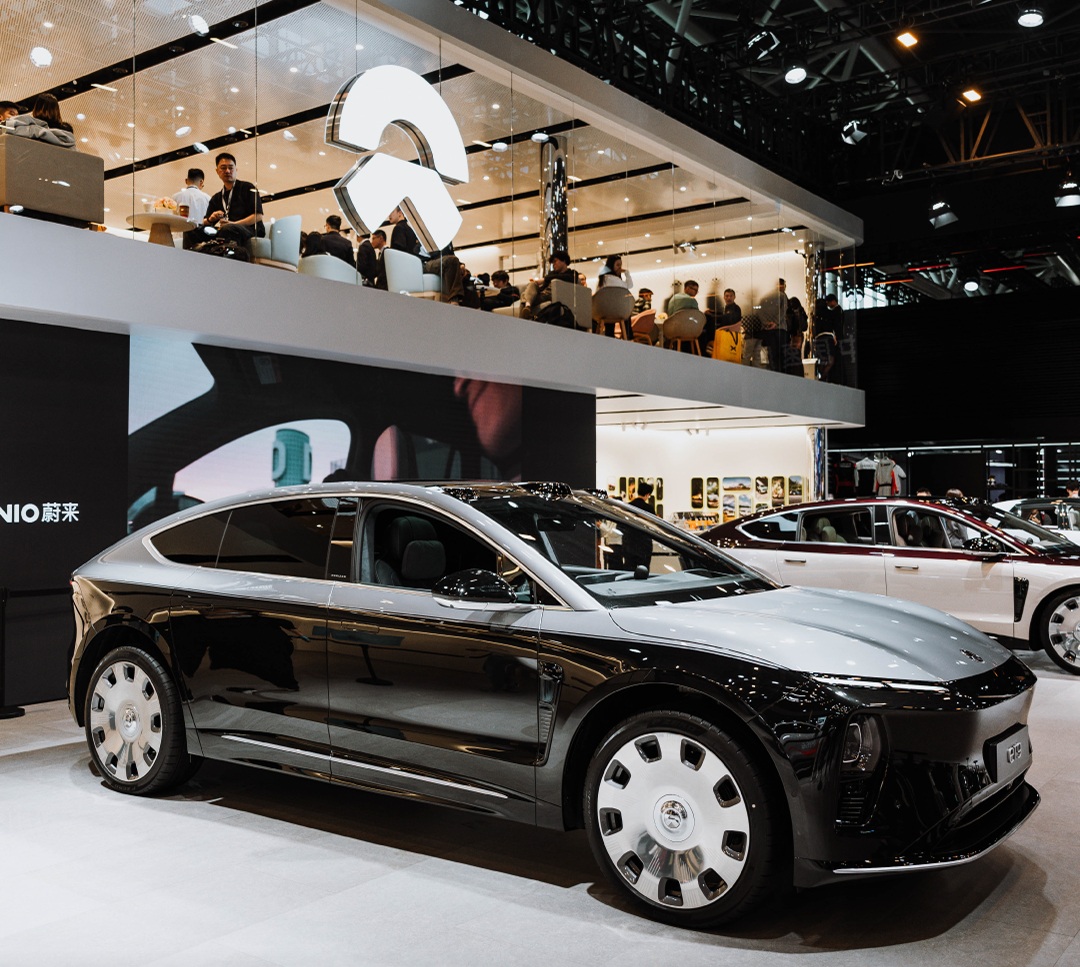
Credit:NIO
The monthly total fell 10.2% from October's 40,397 units, disappointing investors who have been watching closely for sustained demand. CEO William Li had warned last week that November would "still be tough" with December remaining "uncertain" as the industry grapples with reduced consumer incentives following Chinese government subsidy cuts.
The delivery slowdown prompted NIO to cut its full-year guidance last week to 120,000-125,000 vehicles across its three brands from a previous forecast of 150,000 units. Based on revised fourth-quarter targets, the company must deliver between 43,328 and 48,328 vehicles in December to meet guidance, falling short of Li's earlier projection of reaching 50,000 monthly units.
Starting points help explain the sharp stock reaction. Coming into Monday, NIO shares had risen 26% year to date, with relatively high expectations built into the stock price compared with sector peers.
November Performance Reveals Mixed Brand Results
NIO's November deliveries included approximately 18,400 NIO-brand premium vehicles, representing an 18.7% YoY increase as production of the ES8 sport utility vehicle accelerates. The ONVO brand delivered nearly 11,800 models aimed at family buyers, down roughly 5,000 units from October and representing the core driver of the monthly decline. The FIREFLY brand, targeting the compact high-end segment, contributed just over 6,000 vehicles.
For the year through November, NIO has delivered roughly 278,000 vehicles, representing growth of about 46% compared with the same period last year. The company announced over the weekend it had delivered the 20,000th unit of the ES8 in 70 days, the fastest record for a pure-electric vehicle priced over 400,000 yuan. New ES8 orders currently face an estimated delivery time of 22 to 23 weeks.
Broader Sector Shows Mixed December Outlook
XPeng Inc. announced November deliveries of 36,728 vehicles, up 19% YoY, with its U.S.-listed stock falling 2.6% to $21.35. Li Auto Inc. delivered 33,181 vehicles in November, down 32% YoY. Its ADRs shed nearly 2.5% to $17.94.
Combined deliveries for the three topped 106,000 vehicles, up 6% year over year.
Based on fourth-quarter guidance, XPeng expects to deliver almost 50,000 vehicles in December while NIO expects about 46,000 units. Both would be monthly records and represent increases of 36% and 47% from December 2024, respectively. Li expects to deliver about 40,000 vehicles in December, down 32% year over year.
December is typically a strong month for Chinese EV sales as changing policies drive year-end buying. Still, investors appeared nervous about whether guidance could be met given uneven monthly patterns through the quarter.
Market Leader BYD Continues Export Push
China's largest EV maker, BYD Company Limited, delivered 474,921 electrified passenger vehicles in November, including 237,540 all-electric models. Total sales fell 6% from a year ago, but all-electric sales jumped 20%. BYD shares rose 0.5% in overseas trading, leaving them up 10% year to date.
BYD exported 131,661 vehicles in November, a record, up 325%YoY and accounting for 27% of total monthly sales. The strong export performance contrasts with domestic market challenges facing smaller competitors.
For all of 2025, NIO, XPeng, and Li Auto have delivered more than one million vehicles combined, up 31% YoY. That growth means increased competition for Tesla, whose Chinese sales could decline year over year for the first time. Through October, Tesla had sold about 464,000 cars in China, down about 7% YoY.
Explore more exclusive insights at nextfin.ai.


