

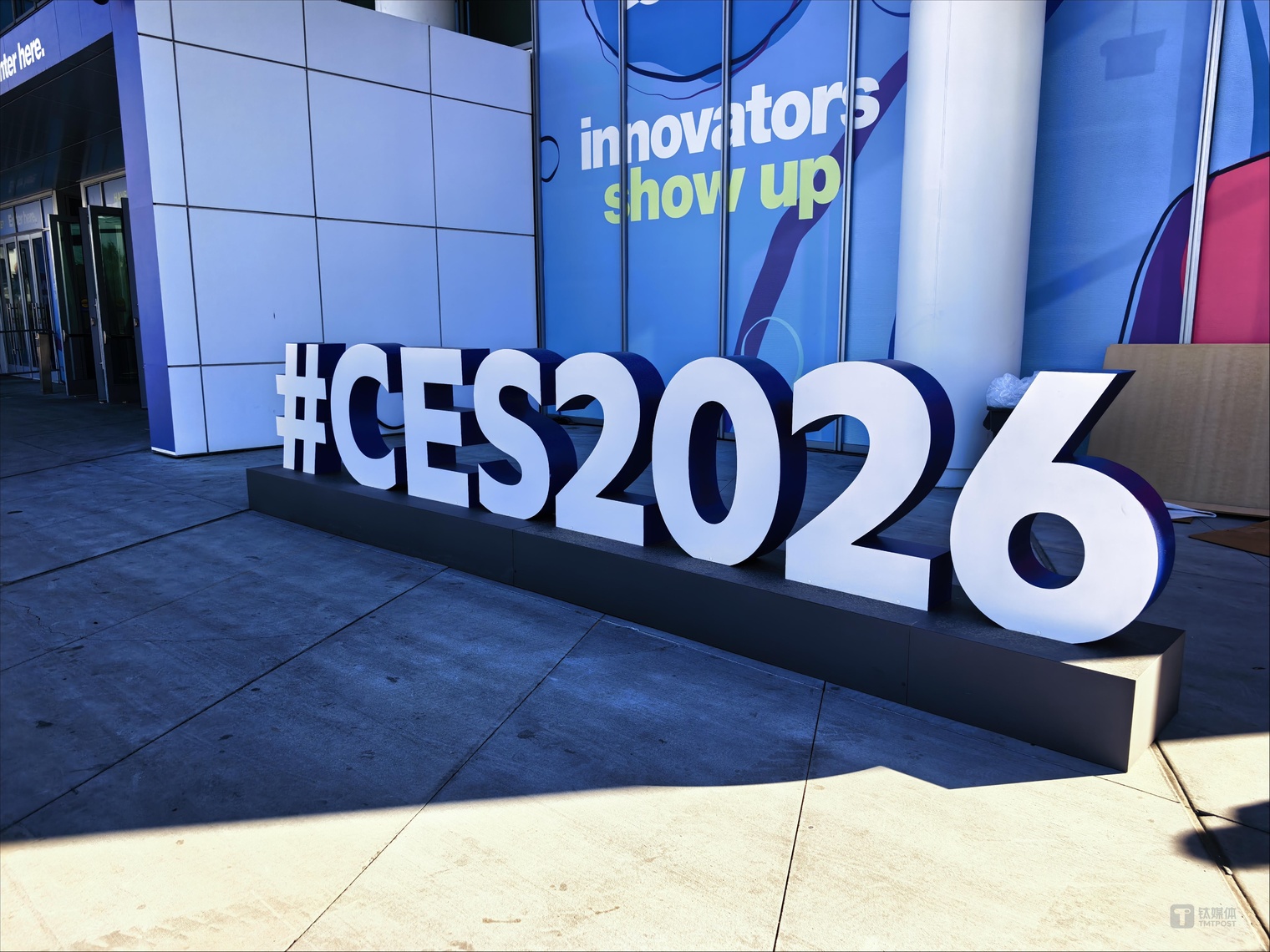
As artificial intelligence (AI) technologies mature, the consumer electronics market is witnessing a significant shift in product strategy and industry direction. At the 2026 Consumer Electronics Show (CES) here, the spotlight was firmly on “Physical AI,” with companies exploring how AI can be accelerated in real-world, vertical application scenarios.
Exhibitors across the globe used CES 2026 to demonstrate the latest AI-powered devices and ecosystem strategies. Analysts noted that the rapid implementation of AI is reshaping the function of traditional devices and redefining brand strategies.
Cross-industry integration has become commonplace, blurring the lines between previously distinct consumer product categories. Chinese brands, in particular, were at the forefront of this trend, aggressively expanding their portfolios and demonstrating how AI can be embedded across sectors.
This year’s CES saw Chinese companies maintaining a prominent presence, capturing both attention and investment interest. While their product showcases were notable for technological sophistication, the most striking aspect was their approach to cross-industry innovation. Some companies ventured into new sectors to create a comprehensive ecosystem, while others appeared to be leveraging trending concepts for publicity without delivering meaningful synergies.
In recent years, CES has become a battleground between U.S. and Chinese companies, not just in terms of the number of exhibitors but also in leadership within specific verticals. A subtle indicator of this shift was the sponsor of the CES tote bags. Previously provided by Nikon, the bags this year were sponsored by Chinese camera company Insta360. Branded bright yellow and larger in size, the bags became moving billboards over the four-day event.
Insta360, known for panoramic cameras, has also gained attention from the investment community. At CES 2026, the company showcased a range of products from consumer to professional-grade devices, including its panoramic action camera X5 and pocket camera GO Ultra. The company has also branched into drones through its FlowState brand, launching the 8K panoramic drone FlowState Antigravity A1 last year. With DJI absent from the show, Insta360’s booth attracted global attention.
Cross-Industry Expansion in Cleaning Robotics
Among the most visible examples of cross-industry growth was the cleaning sector. Robotics manufacturers are moving beyond conventional floor cleaning into pool-cleaning robots, robotic lawn mowers, and even flying cleaning devices. This trend reflects strong overseas demand, particularly in North America, and represents strategic diversification.
ECOVACS, a major player in the field, highlighted its ULTRAMARINE pool-cleaning robot, featuring intelligent environment recognition and dynamic path planning to handle complex pool conditions. Another company, MOVA, demonstrated its Rover Master underwater pool robot, equipped with a bionic robotic arm.
In the robotic lawn mower segment, competition is intensifying. Brands such as Dreame, ECOVACS, Roborock, MOVA, and mobility giant Segway’s subsidiary Navimow are offering automated solutions for complex terrains. Jiang Zhiqing, Marketing Director at Navimow, emphasized that consumers prioritize ease of use, operational reliability, and trust in autonomous performance. Advanced AI-powered systems, including solid-state LiDAR perception and zero-turn all-wheel-drive capabilities, are being deployed to improve usability and stability, minimizing human intervention.
AI Glasses and Wearables
Beyond robotics, AI-powered devices are gaining traction in the wearable sector. Smart glasses, in particular, have seen a surge in both development and adoption. According to IDC, shipments of smart glasses in China reached 623,000 units in the third quarter of 2025, a 62.3% year-on-year increase. Global shipments for 2026 are projected to exceed 23.6 million units, with China alone expected to account for nearly 4.9 million units.
At CES 2026, Dreame unveiled its own AI glasses, while TCL showcased innovations under its Thunderbird Innovation division, including eSIM-enabled AI glasses. Bone conduction headphone brand Shokz demonstrated two AI glasses prototypes, though release plans are yet to be announced. Alibaba’s Quark AI Glasses, released last year, were also present to explore new markets despite the company not having a standalone booth.
The AI companion sector, which began attracting attention last year, expanded further at CES 2026. ECOVACS introduced LilMilo, a multimodal pet-like robot, while TCL displayed AiMe, a modular AI companion capable of integrating hundreds of bionic expressions. KEE Technology launched DeskMate, a desktop AI companion designed for real-time emotional interaction and natural multimodal communication, moving beyond preprogrammed responses.
Experts say these developments illustrate a shift toward more immersive, interactive AI applications in daily life, highlighting a growing trend of consumer electronics crossing into multiple sectors simultaneously.
Despite the excitement, industry insiders caution that not all innovation at CES translates to long-term value. The ease with which companies can enter new sectors has led to hype-driven experimentation, where hype often outweighs functional breakthroughs. For instance, hundreds of companies are now developing AI glasses, yet only a subset is preparing for practical, real-world deployment.
Yang Longsheng, founder of INMO, noted that while short-term attention may be high, distinguishing between sustainable innovations and temporary trends is critical. Wu Dezhou, founder of Tribute to the Unknown, argued that the current phase represents a normal technological iteration period. He explained, “The influx of large players will accelerate deflation of hype and help the industry return to core value.”
Industry analysts emphasize that the entry of major players raises expectations for technology quality and user experience. Brands that rely on marketing hype alone, without strong core technologies or differentiated offerings, risk being quickly sidelined.
The Road Ahead for Chinese Brands
Chinese companies continue to demonstrate strength in hardware development and practical implementation of AI features. However, analysts note that further breakthroughs are needed in operating systems, core algorithms, and ecosystem development. The rapid expansion also intensifies domestic competition, prompting brands to focus on differentiated strategies rather than relying on low-cost, homogeneous products.
The CES 2026 experience underscores the growing global influence of Chinese brands in shaping the future of Physical AI, from robotics and smart wearables to AI companions. While the pace of cross-industry expansion is rapid, success will depend on the ability to combine innovative hardware with robust ecosystems, real-world usability, and sustainable business models.
“Being in the spotlight at CES does not equate to ecosystem leadership,” Wu Dezhou said. “Chinese companies are pushing boundaries and exploring trending areas, but the real winners will be those who integrate AI effectively into practical applications and maintain sustainable competitive advantages.”
For now, CES 2026 has highlighted both the potential and the challenges of Physical AI. As AI technologies move from concept to consumer-ready products, industry observers will be watching closely to see which brands can convert short-term attention into long-term market dominance.
Explore more exclusive insights at nextfin.ai.


