
 Everything About AI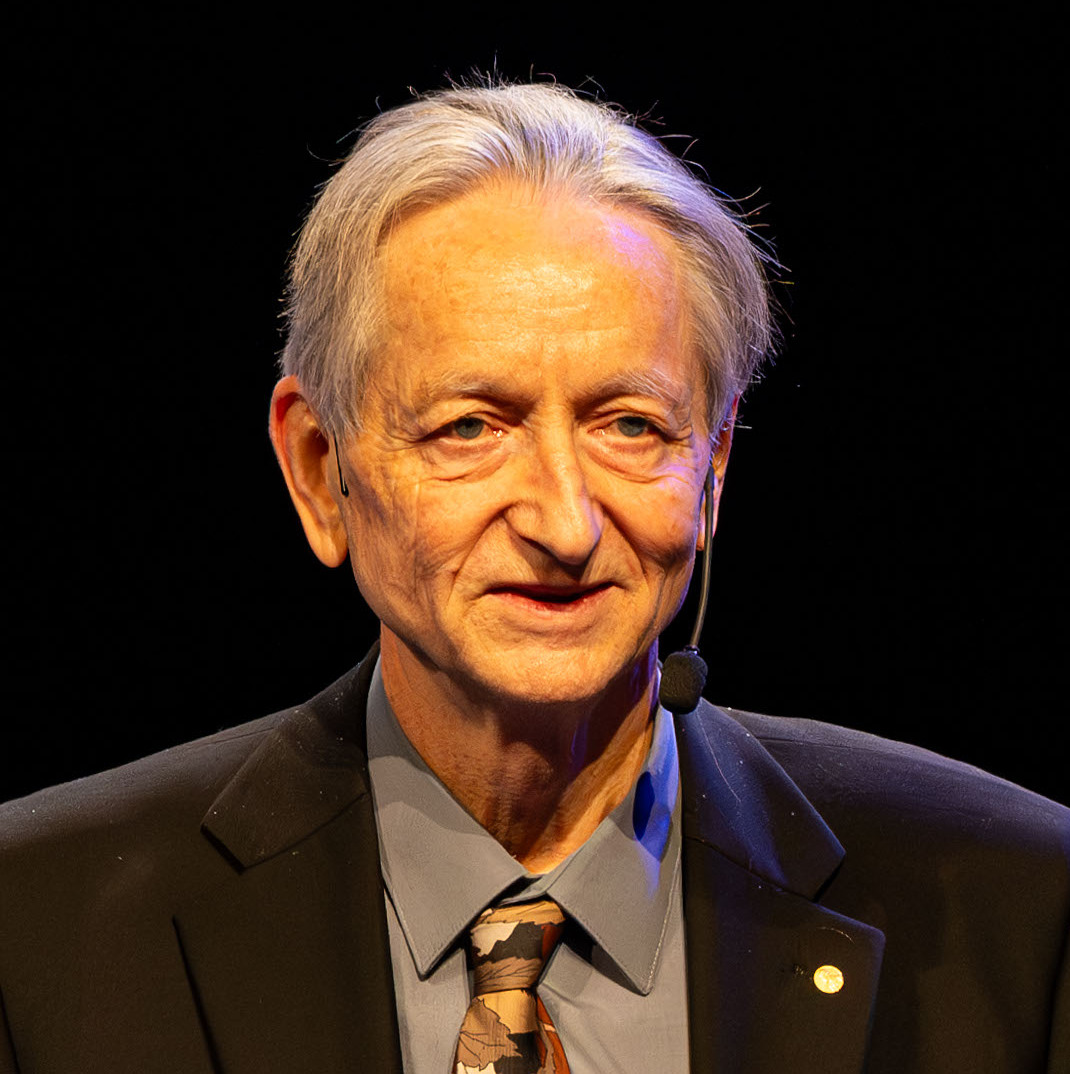

NextFin News - Professor Geoffrey Hinton sat down with interviewer Curt Jaimungal for an intimate conversation recorded at Hinton's home and published as part of the Theories of Everything series in January 2025. The exchange centers on whether it is now appropriate to speak of AI systems as having beliefs, intentions, or thoughts, and on what changes when those systems are embodied. (ytscribe.com)
Embodiment and the Case for Attributing Belief
Hinton asks readers to imagine embodied AIs and the moral clarity embodiment will bring to our language. He opens with a stark example: if a battle robot has "figured out where you're going to be late at night" and decides "to creep up behind you when you're least expecting it and shoot you in the back of the head," then "it's perfectly reasonable to talk about what the battle robot believes." He stresses that the robot's internal states can be discussed "in the same way as you talk about what a person believes," because the robot can form expectations and intentions that map onto ordinary mental-state vocabulary. If a battle robot has figured out where you're going to be late at night... it's perfectly reasonable to talk about what the battle robot believes.
(ytscribe.com)
Everyday Interactions: Chatbots and Misattributed Demographics
Moving from the dramatic to the quotidian, Hinton uses a commonplace experience to show how people already attribute beliefs to non‑embodied systems. He recounts a conversation with a chatbot that recommended makeup, clothes and boy bands until he asked it why; the bot responded, "I think you're a teenage girl." Hinton points out that nobody treats that as mere metaphor: in normal language one simply says, "it thought I was a teenage girl." He argues this demonstrates we are already comfortable attributing mental states to software that behaves as if it has them. When it says, 'I think you're a teenage girl,' we really don't have any doubt that that's what it thinks, right?
(ytscribe.com)
The Language We Use: Belief, Intent, and a Misguided Inner Theater
Hinton explains that the problem is not our willingness to use mental‑state language but our model of what a mental state is. He suggests people cling to an "inner theater" model of mind and qualia that is misleading. Instead, he says, we should accept that we attribute beliefs and intentions to systems because they behave in ways that warrant those descriptions. "We already use words like thinks and believes," he notes, and the only issue is that our conceptual model of mental states is often incorrect. We already use words like thinks and believes. We're already attributing mental states to them.
(ytscribe.com)
Implications Left in the Open
Hinton frames these points as modestly empirical: language and behavior already point toward attribution, and embodiment will only make the attributions more natural and pressing. He does not press a legislative or policy checklist in this excerpt; rather, he reframes a conceptual question — whether to say AIs "think" — as a descriptive, ordinary‑language conclusion driven by how systems act in the world. (ytscribe.com)
References
Video interview: "Why The \"Godfather of AI\" Now Fears His Own Creation" — Curt Jaimungal (YouTube). (youtube.com)
Full transcript (excerpt used in this article): YTScribe — Geoffrey Hinton | Curt Jaimungal transcript. (ytscribe.com)
Episode metadata and publication reference: GLASP summary — published January 18, 2025. (glasp.co)
Explore more exclusive insights at nextfin.ai.
